10 Unexpected Reasons for Feeling Tired All the Time
Introduction
Persistent tiredness is one of the most common symptoms people experience in daily life. Sometimes we assume the cause is simply exhaustion or lack of sleep, but fatigue may actually indicate a hidden health problem or disorder requiring early diagnosis.
Recognizing unexpected causes of exhaustion helps protect your health and seek appropriate treatment before the problem worsens.
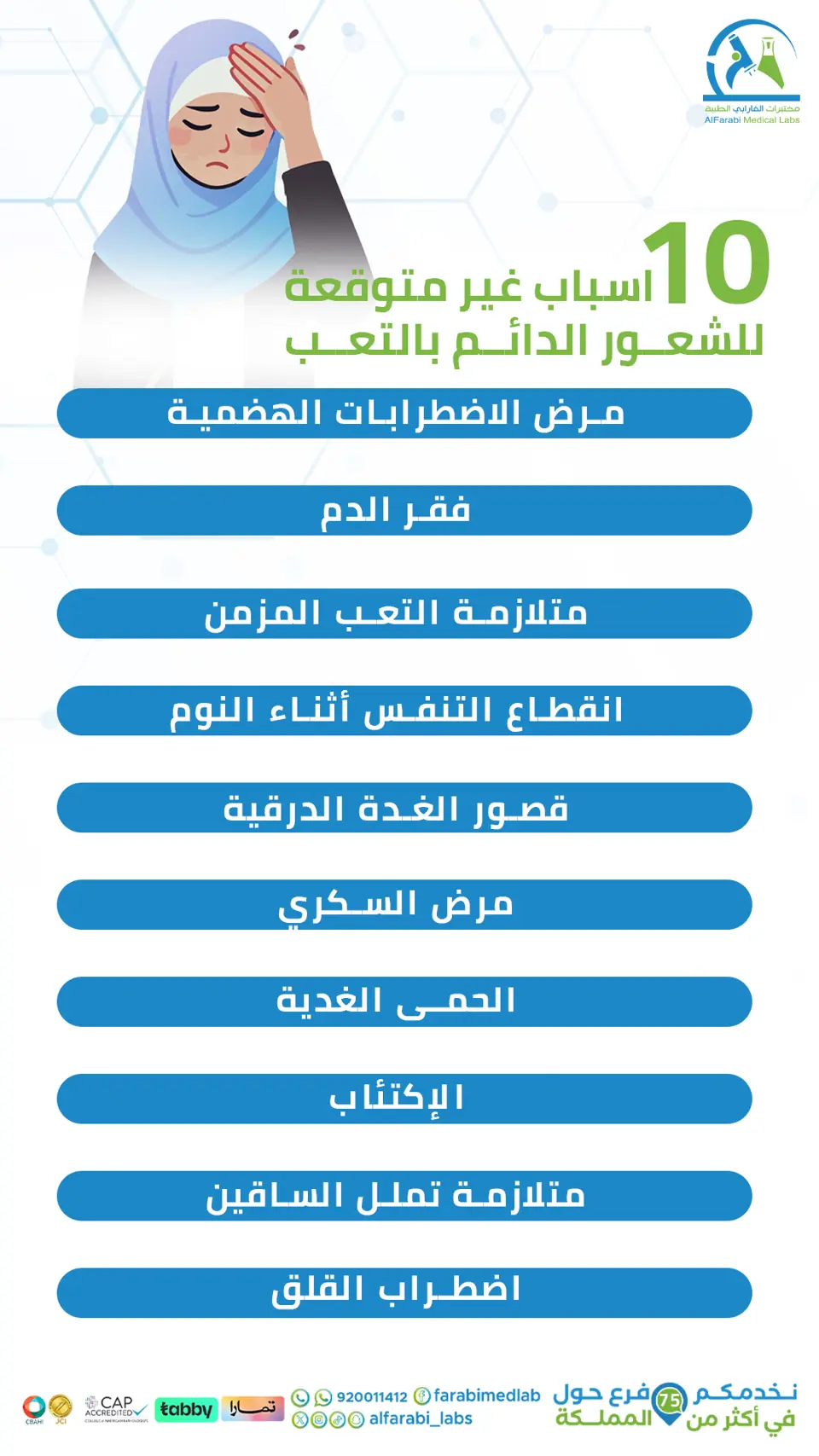
1. Celiac Disease
An immune disorder in which the body reacts to gluten in wheat and barley, damaging the small intestine lining and impairing nutrient absorption.
The result is a deficiency in essential vitamins and minerals such as iron and B12, causing chronic fatigue and poor concentration.
2. Anemia
Occurs when red blood cell count or hemoglobin, responsible for transporting oxygen, is low.
When organs do not receive enough oxygen, the body experiences persistent weakness, dizziness, and shortness of breath with slight exertion.
3. Chronic Fatigue Syndrome
A long-term disorder characterized by severe fatigue that does not improve with rest.
It may involve headaches, poor memory, and muscle and joint pain. Accurate diagnosis is difficult without excluding other causes.
4. Sleep Apnea
A common but often unnoticed condition in which breathing stops for seconds or minutes during sleep.
It causes interrupted sleep and low oxygen levels, resulting in morning headaches, a dry throat, and persistent fatigue even after enough hours of sleep.
5. Hypothyroidism
The thyroid secretes hormones regulating metabolism and energy production.
When these hormones are low, the patient experiences lethargy, weight gain, cold extremities, and hair loss alongside persistent fatigue.
6. Diabetes
When the body cannot regulate blood sugar correctly, cells do not receive the energy they need.
This causes severe fatigue, frequent thirst, and an increased need to urinate. In some cases, tiredness may be the first sign of undiagnosed diabetes.
7. Glandular Fever
A viral illness also known in relation to the Epstein-Barr virus, causing flu-like symptoms with severe fatigue that may last weeks or months.
Even after recovering from the main symptoms, the patient may continue to have low energy and chronic fatigue.
8. Depression
Mental health is closely linked to physical energy.
Depression causes loss of interest in everyday activities, sleep disturbances, loss of appetite, and a constant feeling of exhaustion and inability to perform ordinary tasks.
9. Restless Legs Syndrome
A neurological disorder causing a continual urge to move the legs, especially at night.
These movements make deep, restful sleep difficult, resulting in persistent fatigue and poor concentration during the day.
10. Anxiety Disorder
Chronic anxiety stimulates stress hormones such as cortisol, leading to a faster heartbeat and increased energy consumption.
Over time, the affected person experiences severe exhaustion, sleep disturbances, and reduced ability to carry out everyday activities.
Medical Advice From AlFarabi Medical Labs:
Persistent tiredness is not simply a normal condition to ignore. It may be an early symptom of a serious health problem.
- If exhaustion persists for a long time despite sufficient sleep and good nutrition, it is best to see a doctor for medical tests such as:
Complete blood count (CBC)
Thyroid tests
Blood sugar measurement
Essential vitamins and minerals, such as D and B12
Attention to early testing helps establish the correct diagnosis and a treatment plan to restore your energy and vitality.
A test result is not a diagnosis. Show it to your doctor.