Diabetes: A Comprehensive Guide to Managing Diabetes
What is diabetes?
Diabetes is a chronic disease that occurs when the body cannot use or produce insulin effectively. Insulin is a hormone that regulates blood sugar levels. There are two main types of diabetes: type 1 and type 2.
Types of diabetes
Type 1 diabetes
Type 1 diabetes occurs when the immune system attacks the insulin-producing cells of the pancreas. Genetic and environmental factors are thought to play a role in the development of this type.
Type 2 diabetes
Type 2 diabetes is the most common type. It occurs when the body becomes resistant to insulin or when the pancreas fails to produce enough insulin. An unhealthy lifestyle and excess weight play a major role in its development.
Causes of diabetes
Genetic factors
Heredity plays an important role in developing diabetes. If one or both parents have diabetes, the likelihood of developing it increases.
Lifestyle factors
An unhealthy diet, lack of exercise and excess weight are major risk factors for type 2 diabetes.
Symptoms of diabetes
Symptoms of type 1 diabetes
- Extreme thirst
- Frequent urination
- Unexplained weight loss
- Severe fatigue
Symptoms of type 2 diabetes
- Increased thirst and hunger
- General fatigue
- Slow wound healing
- Vision problems
Diagnosing diabetes
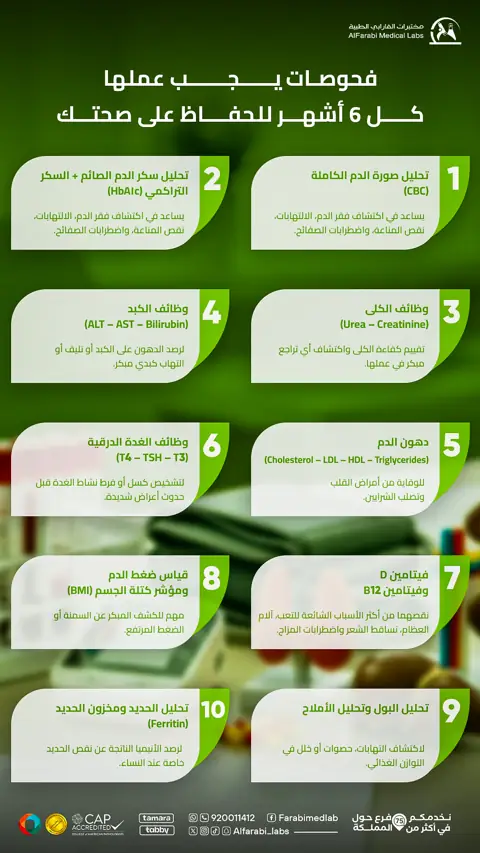
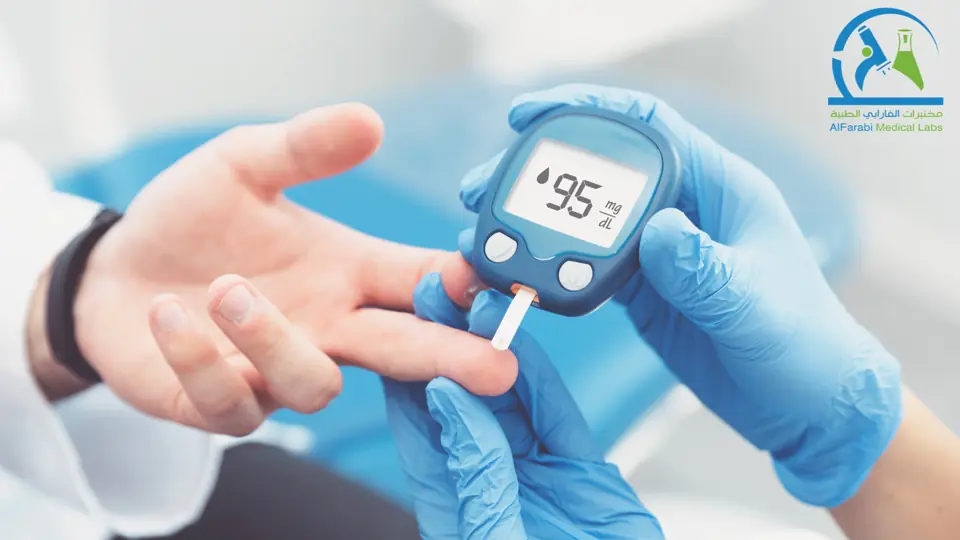
Random blood sugar test
A random blood sugar test is performed without regard to recent meals. A reading above 200 mg/dL indicates possible diabetes.
Fasting blood sugar test
This test is performed after fasting for 8 hours. A reading between 100 and 125 mg/dL indicates prediabetes, while a reading above 126 mg/dL indicates diabetes.
Oral glucose tolerance test
Blood sugar levels are measured two hours after drinking a sugary drink. A reading above 200 mg/dL indicates diabetes.
Hemoglobin A1C test
This test measures the average blood sugar level over the past three months. A reading of 6.5% or higher indicates diabetes.
Managing diabetes
A healthy diet
A balanced diet with sufficient vegetables, fruit, protein and fiber helps control blood sugar levels.
Exercise
Regular exercise, such as walking or swimming, helps lower blood sugar levels and improve insulin sensitivity.
Medication
Diabetes medications include insulin and other medicines that improve insulin effectiveness or reduce glucose production by the liver.
Preventing diabetes
Maintaining an ideal weight
Maintaining a healthy weight through proper nutrition and regular physical activity reduces the risk of diabetes.
Eating healthy food
Choosing foods with a low glycemic index and foods rich in fiber helps maintain blood sugar levels.
Monitoring blood sugar levels
Regular blood sugar monitoring helps detect changes early and allows appropriate action to be taken.
Frequently asked questions about diabetes
Which foods should people with diabetes avoid?
People with diabetes should avoid foods high in sugar and saturated fat, such as sweets, soft drinks and fried foods.
Can diabetes be cured?
There is currently no cure for diabetes, but it can be managed and controlled through a proper diet and medication.
Can type 2 diabetes be prevented?
Yes, type 2 diabetes can be prevented by following a healthy lifestyle, including a proper diet and exercise.
What is insulin's role in the body?
Insulin is a hormone that helps move glucose from the blood into the body's cells to be used as a source of energy.
How does diabetes affect the body in the long term?
Diabetes can lead to serious long-term complications, such as heart disease, kidney failure, vision problems and neuropathy.
The role of psychological support in managing diabetes
Psychological importance
Dealing with diabetes can be psychologically demanding. Psychological and emotional support can help patients cope with the daily challenges associated with the disease.
Ways to get support
Support can be obtained by joining support groups, consulting mental health professionals and talking with friends and family.
Managing stress
Stress management techniques, such as yoga, meditation and breathing exercises, can help reduce stress and improve quality of life for people with diabetes.
New innovations and developments in diabetes treatment
Blood sugar monitoring technology
Blood sugar monitoring technology has developed significantly, allowing patients to monitor their levels continuously and accurately.
New medications
Research continues to develop new medications that are more effective and have fewer side effects, helping patients manage diabetes better.
Stem cell treatment
Stem cell research offers new hope for treating diabetes, as it may help regenerate pancreatic cells and improve insulin production.
Practical tips for improving quality of life with diabetes
Planning meals ahead
Planning meals in advance helps control blood sugar levels and avoid unhealthy meals.
Staying physically active
Incorporating physical activity into a daily routine helps improve insulin sensitivity and maintain an ideal weight.
Communicating with the healthcare team
Ongoing communication with the healthcare team helps monitor health and adjust treatment as needed.
Conclusion
Diabetes requires informed, comprehensive management to ensure a healthy and active life. By following a healthy lifestyle, obtaining the necessary support and monitoring health regularly, people with diabetes can live effectively with the disease and reduce the risk of complications. Modern technology and continuing medical innovations offer new hope for improving the management of this chronic disease.
A test result is not a diagnosis. Show it to your doctor.