Essential Tests before Performing Hajj

Essential Tests before Performing Hajj
Article Outline
- Introduction.
- Basic routine tests before Hajj.
- Special tests for older adults and people with chronic diseases.
- Infectious disease tests and the importance of their results for pilgrims.
- Liver and kidney tests: Why are they a priority?
- Complete blood count (CBC): What does it reveal?
- Glycated hemoglobin testing: An accurate assessment for people with diabetes.
- Lipid and cholesterol testing: Preventing clots and cardiac complications.
- Heart examinations with ECG and echocardiography if needed.
- Vitamin D and calcium testing: A direct connection to physical health.
- Tests for pregnant women before Hajj.
- The importance of testing before required vaccinations.
- Reading results and reviewing them with a doctor.
- The role of tests in preventing health problems during Hajj.
- Do the required tests differ by age group?
- Testing and health preparations for pilgrims arriving from abroad.
- Rapid tests at departure airports: How do they help?
- What if tests reveal a health problem?
- Conclusion: Early screening is the key to a safe, healthy Hajj.
Introduction
Hajj is a great journey combining spirituality with physical and mental exertion. Just as pilgrims prepare their clothing and organizational arrangements, health preparation is equally important and may be the most decisive factor in ensuring their safety and ability to complete the rituals safely. This highlights the importance of comprehensive medical tests and examinations before departing for the holy sites.
Why do pilgrims need tests before travel?
Hajj requires physical effort that a person with undiagnosed or uncontrolled chronic diseases may be unable to tolerate. Neglecting some basic tests may lead to serious complications during the rituals, such as episodes of high blood sugar or high blood pressure, clots, kidney failure, or even infection. Medical testing before Hajj is therefore essential.
The importance of health assessment before Hajj season
A health assessment plays an essential role in determining whether someone can perform the rituals safely. It also helps doctors adjust medication doses, provide preventive instructions, and determine the tests needed for each individual case. Some countries require these examinations as part of obtaining a Hajj permit.
Basic routine tests before Hajj
The basic examinations every pilgrim should have include:
- Complete blood count (CBC) to detect anemia or inflammation.
- Urinalysis to detect urinary tract infections or kidney problems.
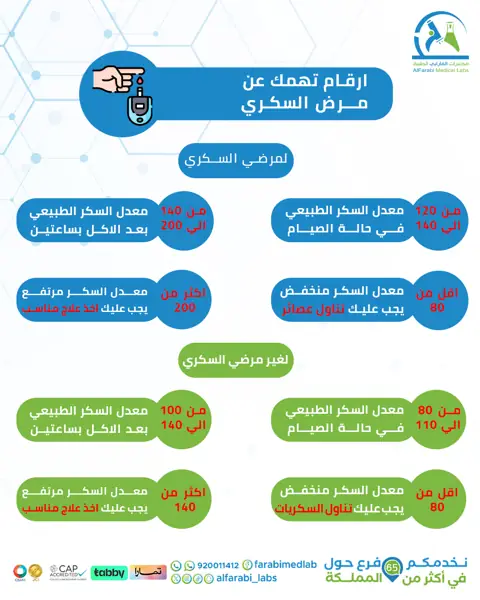
- Fasting blood sugar and glycated hemoglobin testing.
- Kidney and liver function tests.
- Lipid and cholesterol testing.
- Tests for viruses such as hepatitis B and C.
- Vitamin D and calcium levels.
- Pregnancy testing for women of reproductive age.
Special tests for older adults and people with chronic diseases
Older adults and people with high blood pressure, diabetes, or heart disease need careful health assessment. Recommended examinations include:
- Glycated hemoglobin (HbA1c).
- Electrocardiogram (ECG).
- Heart function examinations such as echocardiography.
- Kidney function tests to detect any impairment early.
- Urine protein testing.
- Electrolytes such as sodium and potassium.
- Glomerular filtration rate (GFR).
These examinations help the doctor determine whether the condition is stable or travel needs to be postponed.
Infectious disease tests and the importance of their results for pilgrims
Because Hajj involves crowds and increased opportunities for transmission, screening for infectious diseases is essential. Important tests include:
- Hepatitis B and C testing.
- Pulmonary tuberculosis testing, with PPD or Quantiferon if needed.
- HIV testing in some countries.
- Syphilis testing with VDRL.
- A throat swab or seasonal influenza test when respiratory symptoms are present.
- Coronavirus PCR if required under health guidance.
Liver and kidney tests: Why are they a priority?
The liver and kidneys are responsible for metabolizing medicines and removing toxins. Any impairment in their function may worsen medication side effects or cause medicines to accumulate in the blood. Tests include:
- SGOT and SGPT for the liver.
- Creatinine and urea for the kidneys.
- GFR to assess kidney filtration efficiency.
- Bilirubin to detect liver or gallbladder problems.
Complete blood count (CBC): What does it reveal?
A complete blood count provides a comprehensive picture of health. It reveals:
- Anemia, which may cause dizziness and fatigue.
- High white blood cells as a sign of infection.
- Low platelets, which may affect clotting.
- Changes in red blood cell size, which may indicate deficiencies of certain vitamins such as B12.
Glycated hemoglobin testing: An accurate assessment for people with diabetes
HbA1c shows average blood sugar over the previous three months. If the reading is above seven percent, this indicates inadequate control and requires treatment adjustment or even temporary postponement of travel to avoid episodes of high or low blood sugar during Hajj.
Lipid and cholesterol testing: Preventing clots and cardiac complications
High cholesterol increases the risk of heart attacks or strokes, particularly under Hajj conditions involving heat and substantial physical exertion. The test includes:
- Total cholesterol.
- Triglycerides.
- Good cholesterol, HDL.
- Bad cholesterol, LDL.
Heart examinations with ECG and echocardiography if needed
An electrocardiogram (ECG) helps detect electrical abnormalities in the heart or evidence of previous disease. Echocardiography provides a detailed picture of the heart muscle and valves and is recommended for people with a cardiac history or symptoms such as breathlessness or chest pain.
Vitamin D and calcium testing: A direct connection to physical health
Vitamin D or calcium deficiency may cause muscle weakness, cramps, or osteoporosis, increasing the risk of fatigue during tawaf or sa'i. Correcting these deficiencies before travel helps strengthen the body and improve its ability to tolerate exertion.
Tests for pregnant women before Hajj
Pregnancy is a special medical condition, and Hajj may not be safe at every stage. Pregnant women should have:
- Urinalysis and urine protein testing.
- Blood sugar and blood pressure checks.
- Kidney and liver function tests.
- Hemoglobin and blood group testing.
Consulting a gynecologist is preferable for an individual pregnancy assessment and a recommendation to perform Hajj or postpone it.
The importance of testing before required vaccinations
Some tests help determine the body's readiness to receive required vaccines, such as influenza or meningitis vaccines, and check that there are no medical contraindications.
Reading results and reviewing them with a doctor
Having tests alone is insufficient. It is important to show them to a specialist who can interpret them accurately, determine your medical fitness for the rituals, and prescribe preventive treatment if needed.
The role of tests in preventing health problems during Hajj
Early detection of a health problem can prevent it from worsening during Hajj. For example, urinary tract infections, anemia, or high blood pressure detected before travel can be treated quickly, providing greater comfort during the rituals.
Do the required tests differ by age group?
Certainly. Routine tests are sufficient for a healthy young person, while older adults, pregnant women, and people with chronic diseases need additional detailed tests to ensure their safety.
Testing and health preparations for pilgrims arriving from abroad
Some countries require pilgrims to undergo specific tests before allowing travel, particularly for infectious diseases. Reviewing your country's Ministry of Health instructions is recommended.
Rapid tests at departure airports: How do they help?
In emergencies or when symptoms are suspected, rapid tests may be performed at the airport to detect infectious conditions or coronavirus. These help limit infection spread within pilgrimage groups.
What if tests reveal a health problem?
If tests show a major abnormality such as kidney failure, heart failure, or acute infection, postponing travel until the condition stabilizes is recommended. The rituals require effort that may endanger a pilgrim under these circumstances.
Conclusion: Early screening is the key to a safe, healthy Hajj
Medical tests before Hajj are a fundamental preventive step toward a safe, healthy journey. Every test, however simple it appears, may reveal a previously hidden health problem and help relieve suffering or avoid serious complications. Include health screening in your intention to perform Hajj, so that your pilgrimage is spiritually accepted as well as healthy and safe.
A test result is not a diagnosis. Show it to your doctor.