
Sexually Transmitted Diseases and the Tests You and Your Partner Need
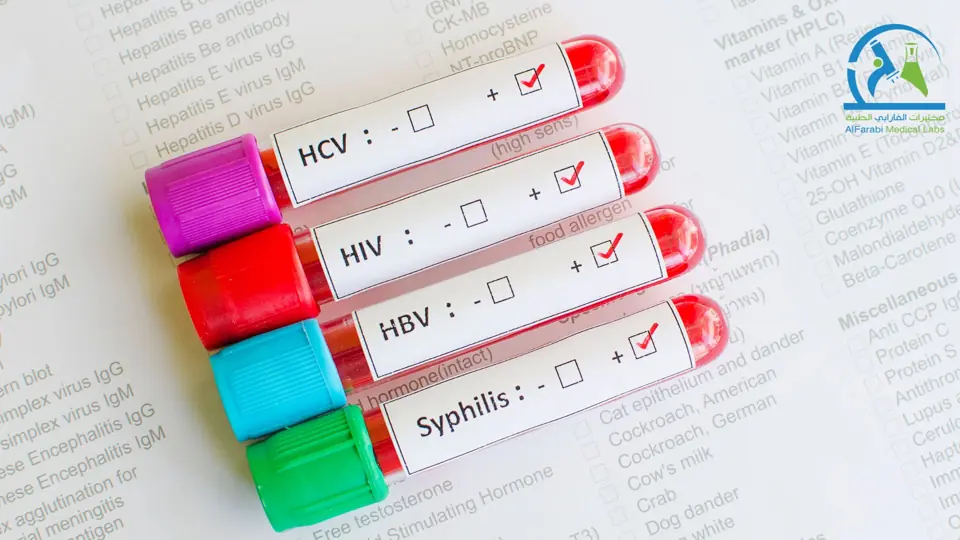
Sexually Transmitted Diseases and Necessary Tests
Sexually transmitted diseases are among the greatest health challenges facing individuals and communities worldwide. They are transmitted through sexual contact and caused by a variety of pathogens, such as bacteria, viruses, and parasites. Among the most common diseases in this category are gonorrhea, syphilis, chlamydia, human immunodeficiency virus (AIDS), genital herpes, and human papillomavirus (HPV).
Regular screening plays a vital role in detecting these diseases early, enabling appropriate treatment and limiting their spread. These investigations use various techniques, such as blood tests, urine tests, and laboratory swabs. In this article, we examine the types of sexually transmitted diseases and the importance of the tests needed to detect them in detail, as well as how to prevent and manage them.
Types of Sexually Transmitted Diseases
Gonorrhea
What Is Gonorrhea?
Gonorrhea is a sexually transmitted disease caused by Neisseria gonorrhoeae bacteria. It can affect both men and women and causes unpleasant symptoms including abnormal genital discharge, pain during urination, and itching.
How Is Gonorrhea Diagnosed?
Diagnosis involves taking a swab from the affected area and performing a laboratory test to detect the bacteria. Urine tests can also be used to detect the infection.
Syphilis
What Is Syphilis?
Syphilis is another bacterial sexually transmitted disease, caused by Treponema pallidum. It passes through four main stages: primary, secondary, latent, and late. Each stage has different symptoms, ranging from skin sores and rashes to serious neurological symptoms in advanced stages.
How Is Syphilis Diagnosed?
Diagnosing syphilis requires blood tests to detect antibodies to the bacteria causing the disease. Swabs from skin sores can also be taken in the early stages to detect the bacteria.
Chlamydia
What Is Chlamydia?
Chlamydia is another common bacterial infection, caused by Chlamydia trachomatis. Symptoms are often mild or absent, but can include pain during urination and abnormal discharge.
How Is Chlamydia Diagnosed?
Chlamydia is diagnosed through urine tests or swabs taken from the affected area and analyzed in the laboratory to detect the bacteria.
Human Immunodeficiency Virus (AIDS)
What Is Human Immunodeficiency Virus?
Human immunodeficiency virus (HIV) attacks the immune system and weakens its ability to fight infections and diseases. If untreated, it can lead to acquired immunodeficiency syndrome (AIDS).
How Is Human Immunodeficiency Virus Diagnosed?
HIV is diagnosed through blood tests to detect antibodies to the virus or the virus’s own genetic material (RNA).
Genital Herpes
What Is Genital Herpes?
Genital herpes is a viral infection caused by herpes simplex virus. It causes painful sores and itching in the genital area.
How Is Genital Herpes Diagnosed?
Genital herpes is diagnosed by taking swabs from skin sores and performing laboratory tests to detect the virus. Blood tests can also be used to detect antibodies to the virus.
Human Papillomavirus (HPV)
What Is Human Papillomavirus?
Human papillomavirus (HPV) is a common viral infection that can cause genital warts and certain cancers, such as cervical cancer.
How Is Human Papillomavirus Diagnosed?
HPV is diagnosed through Pap tests in women to detect cervical cell changes, alongside DNA tests to detect the virus.
The Importance of Regular Screening for Sexually Transmitted Diseases
Early Detection and Diagnosis
How Can Early Detection Help Treat Sexually Transmitted Diseases?
Early detection helps provide appropriate treatment at the right time, reducing the risk of complications and transmission to a sexual partner.
Prevention and Limiting Spread
How Does Regular Screening Contribute to Preventing Sexually Transmitted Diseases?
Regular screening helps detect and treat infections that are not apparent, reducing the likelihood of passing the infection to others.
Preventing Sexually Transmitted Diseases
Condom Use
The Importance of Condoms for Prevention
Using condoms during sexual activity is one of the most effective ways to prevent sexually transmitted diseases.
Getting Vaccinated
Which Vaccines Are Available to Prevent Sexually Transmitted Diseases?
Effective vaccines, such as HPV and hepatitis B vaccines, help prevent some sexually transmitted diseases.
Regular Screening
The Importance of Regular Screening for Sexually Transmitted Diseases
Regular screening enables early detection of infections and timely treatment, helping maintain public health and reduce the spread of infection.
Frequently Asked Questions About Sexually Transmitted Diseases and Necessary Tests
What Are Common Symptoms of Sexually Transmitted Diseases?
Symptoms to Watch For
Symptoms include abnormal discharge, pain during urination, itching, and skin sores. In some cases, symptoms may not be apparent.
How Can Sexually Transmitted Diseases Be Prevented?
Effective Preventive Steps
Prevention includes using condoms, getting vaccinated, having regular screening, and avoiding unsafe sexual activity.
When Should Tests for Sexually Transmitted Diseases Be Performed?
The Ideal Time for Testing
Tests should be performed when infection is suspected, when changing sexual partners, or as part of regular routine screening.
What Are the Most Common Tests for Sexually Transmitted Diseases?
Basic Tests
Investigations include blood tests, urine tests, laboratory swabs, and Pap tests.
What Steps Should Be Taken After a Sexually Transmitted Infection Is Detected?
Immediate Actions
Consult a doctor to obtain appropriate treatment, inform the sexual partner, and follow medical instructions to limit the spread of infection.
Conclusion
Sexually transmitted diseases pose a major health challenge, but they can be managed and avoided through appropriate prevention and regular screening. Tests contribute to early detection and effective treatment, helping maintain public health and limit the spread of infection. Preventive methods such as condoms and vaccines can greatly reduce the risk of infection. Commitment to regular screening and health awareness can help achieve a healthy community free of sexually transmitted diseases.
A test result is not a diagnosis. Show it to your doctor.