Symptoms of Zinc Deficiency
Introduction
Zinc is an essential mineral that plays an important role in more than 300 enzymatic reactions in the body. It is necessary for cell growth, wound healing, supporting immunity, and maintaining healthy skin and hair. Zinc deficiency may initially go unnoticed, but over time it causes clear health symptoms that affect quality of life.
Main Symptoms:
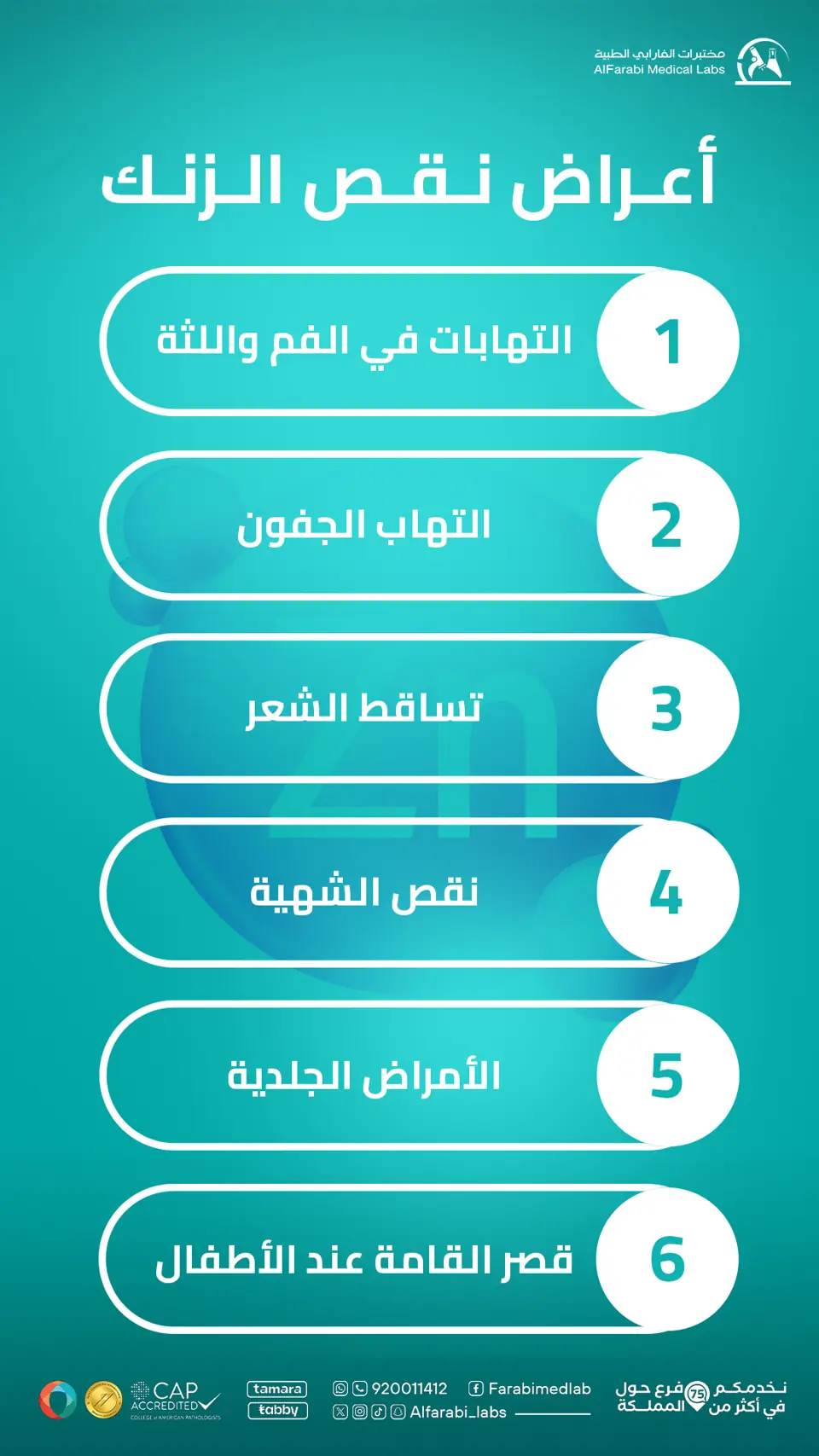
1. Inflammation of the Mouth and Gums
Zinc deficiency impairs wound healing and increases susceptibility to inflammation, making the mouth and gums more vulnerable to ulcers and recurrent sores.
2. Eyelid Inflammation
Weakened immunity due to low zinc may cause repeated eye and eyelid inflammation, with increased susceptibility to bacterial infections.
3. Hair Loss
Zinc is essential for cell division and hair follicle growth. Its deficiency weakens hair and noticeably increases shedding.
4. Loss of Appetite
This is an early sign of zinc deficiency. It affects appetite-control centers in the brain, leading to a loss of desire to eat.
5. Skin Conditions
These appear as severe acne, dry skin, or recurrent skin inflammation because of zinc’s important role in cell renewal and skin protection.
6. Short Stature in Children
Zinc plays a central role in physical growth. Deficiency during childhood and adolescence may therefore cause delayed growth and shorter stature compared with peers.
Natural Sources of Zinc
To prevent these symptoms, zinc should be obtained from food. Major sources include:
- Red meat and liver.
- Seafood, especially oysters.
- Legumes such as fava beans, lentils, and chickpeas.
- Nuts and seeds such as pumpkin and sesame seeds.
- Dairy products and eggs.
Medical Advice From AlFarabi Medical Labs
Symptoms of zinc deficiency should not be assessed by assumptions alone. Accurate tests are needed to confirm blood zinc levels. Our laboratories provide comprehensive tests to reassure you about your health and detect mineral and vitamin deficiencies early, helping avoid complications and address the root of the problem.
A test result is not a diagnosis. Show it to your doctor.