Vitamin D and Immunity: Your First Line of Defense Against Infection

Article outline:
● Introduction
● What is vitamin D and why is it more than a vitamin?
● The scientific relationship between deficiency and respiratory infections
● How does vitamin D enhance antimicrobial production?
● Vitamin D in COVID-19 and other viruses
● Why is testing essential for immunocompromised patients?
● Maintaining a healthy vitamin D level for immunity
● Conclusion
● Frequently asked questions (FAQs)
Introduction
In an age when viruses are part of everyday reality, immunity has become a life priority. Growing awareness of nutrition's immune role highlights vitamin D as a powerful factor helping resist infection.
Vitamin D supports more than bones. It enhances immunity, activates defensive cells and stimulates natural antimicrobials fighting viruses and bacteria.
Recent research leaves no doubt: low vitamin D increases susceptibility to infection, especially respiratory disease. Global challenges such as COVID-19 have made testing essential, particularly with weak immunity.
This article details the relationship, how vitamin D works, scientific findings and why testing is medically necessary.
Vitamin D: a hormone disguised as a vitamin!
Scientifically classified as a vitamin, D acts as an active hormone regulating more than 200 genes. Produced when skin encounters ultraviolet B sunlight, it passes through liver and kidneys to become active.
Main functions:
- Calcium and phosphorus absorption for bones.
- Regulating immunity and recognizing viruses and bacteria.
- Reducing inflammation to prevent tissue damage during infection.
- Influencing mood and energy through neurotransmitter regulation.
What distinguishes it:
- The body produces it, unlike most vitamins.
- Stored in fat, its levels are affected by weight and lifestyle.
- Influences innate and acquired immunity.
It therefore affects resistance to viruses and infection alongside fracture and osteoporosis prevention.
The scientific relationship between deficiency and respiratory infections
Over the last decade, many worldwide studies examined vitamin D and immunity. All agreed that deficiency directly relates to increased infection risk, particularly respiratory infections.
Key research:
- A 2017 British Medical Journal (BMJ) study of more than 11,000 people found supplements reduced respiratory infection risk by up to 50%, especially with severe deficiency.
- Another American study found deficient children more susceptible to bronchitis and asthma.
- Statistical analysis across studies associated deficiency with more frequent and severe colds and influenza.
Who is most affected?
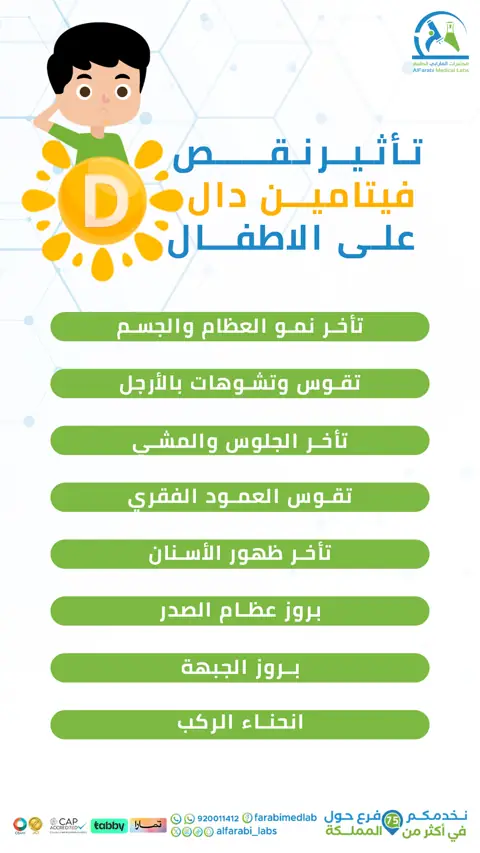
- Children: developing immunity and limited sunlight.
- Older adults: reduced skin production.
- Pregnant women: needing increased immune defenses.
- Chronic patients: such as diabetes and heart disease.
If infections recur or recovery is difficult, deficiency may be a missing part of the picture.
How does vitamin D enhance antimicrobial production?
The key question is how it enhances immunity. It activates immune cells and stimulates natural antimicrobial production.
1. Activating immune cells:
Vitamin D binds receptors on T-cells and Macrophages, activating them and improving microorganism recognition and response.
2. Stimulating natural antimicrobials:
Key compounds are:
- Cathelicidin: attacks bacteria and viruses and inhibits replication.
- Defensin: strengthens immune barriers in skin and mucous membranes.
These act as naturally produced internal antibiotics, but production depends on vitamin D availability.
3. Regulating inflammation:
- Deficiency may cause excessive immune responses, chronic or acute inflammation and tissue damage instead of protection.
- Vitamin D calms and directs the response more effectively.
It strengthens immunity and teaches it organized, intelligent fighting.
Vitamin D in COVID-19 and other viruses
During the coronavirus (COVID-19) pandemic, research into antiviral immunity increased, with highly encouraging findings.
COVID-19:
- Multiple studies confirmed deficient patients were more likely to require intensive care and develop critical symptoms.
- An Italian analysis of older adults found higher mortality below 20 ng/mL.
Other viruses:
- Seasonal influenza: studies found regular vitamin D reduced severity and illness duration.
- RSV in children: deficient children were shown more susceptible to infection and complications.
Can it be used as treatment?
It is not a direct treatment but an essential supplement for immune effectiveness and may be strongly preventive at the correct dose.
Why is testing essential for immunocompromised patients?
Many with chronic illness or treatments affecting immunity do not know deficiency may secretly weaken infection resistance.
Who most needs testing?
- Diabetes patients: deficiency relates to more skin and respiratory infections.
- Cancer patients: vitamin D is thought to improve treatment response and infection resistance during chemotherapy.
- Autoimmune patients, such as lupus and multiple sclerosis: it regulates immunity and prevents unwanted overactivity.
- Older adults and osteoporosis patients: deficiency relates to lower general immunity and delayed healing.
What vitamin D reveals about health
- Whether supplements are needed.
- Helps develop an integrated treatment plan including immune improvement.
- Prevents random excessive doses that may damage kidneys or raise blood calcium.
Specialist laboratories such as AlFarabi Medical Labs:
- Precise blood-level measurement using LC-MS/MS.
- Reliable, fast results within 24-48 hours.
- Personalized interpretation with immune and nutrition specialists.
- Combination with other immune tests for a complete health picture.
With weak immunity or recurring infections, make vitamin D testing an early preventive step.
Maintaining a healthy vitamin D level for immunity
Strong immunity means building an effective defense through food, lifestyle, testing and regular monitoring.
1. Smart sunlight exposure:
- From 10 a.m. to 3 p.m., without sunscreen for the first 15 minutes.
2. Eat immune-supporting foods
3. Supplements when needed:
- After testing, a doctor can prescribe a suitable dose, usually 1000 to 5000 IU.
- D3 supplements are preferable for greater effectiveness.
4. Regular physical activity:
- Exercise stimulates immunity and improves vitamin absorption.
5. Avoid arbitrary use:
- Do not take supplements without prior testing.
- Do not overexpose yourself without protection after the recommended period.
Vitamin D reflects a balanced lifestyle supporting immune strength.
Conclusion
In a world of viruses, bacteria and pollutants, vitamin D is a natural defense given by God. Do not wait for infection. A simple assessment, precise test and small lifestyle changes can improve resistance substantially.
Immunity takes time but begins with a step. Testing at a trusted provider such as AlFarabi Medical Labs is a smart first step to protect yourself and loved ones.
Invest today to avoid tomorrow's complications. Your immunity deserves support and you deserve health and strength.
Frequently asked questions (FAQs)
- Does vitamin D protect against colds and influenza?
Yes, research suggests normal levels reduce occurrence and severity. - Can sunlight alone suffice?
Not always. Clothing, skin color and timing affect production, making testing essential. - How do weak immunity and deficiency differ?
Deficiency is one possible cause, among others. Testing reveals part of the picture. - What level supports immunity?
The ideal is 30-50 ng/mL. - Is testing necessary without symptoms?
Yes, deficiency may be silent until immunity falls or healing slows.
A test result is not a diagnosis. Show it to your doctor.