When Should Women Have an Iron Test?
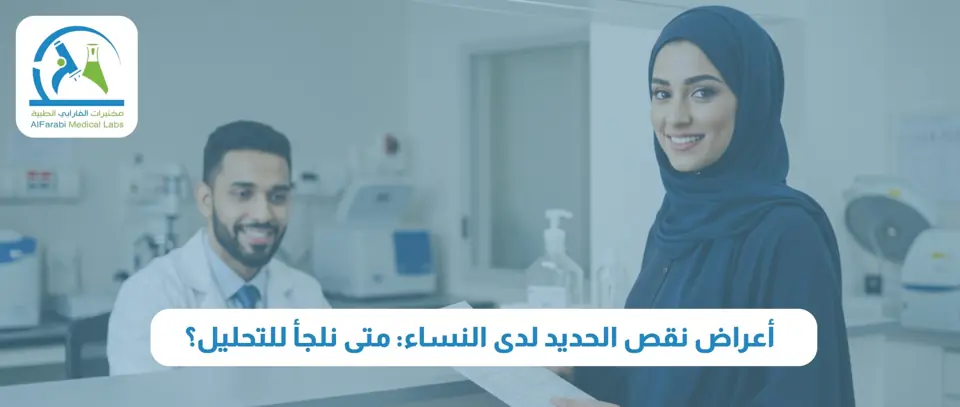
When Should Women Have an Iron Test?
Article Outline
1. Introduction
2. Causes of Iron Deficiency in Women
3. Symptoms of Iron Deficiency in Women
4. When Should Testing Be Sought?
5. Laboratory Tests for Diagnosing Iron Deficiency
6. Treating Iron Deficiency
7. Conclusion
Introduction
Iron deficiency is among the most common health conditions in women worldwide. Blood iron falls enough to affect vital functions. Iron is essential for producing hemoglobin in red blood cells, which transports oxygen to every body cell. Without sufficient iron, symptoms may develop and lead to long-term problems if not managed properly.
Women are more vulnerable than men because of menstruation, pregnancy, and breastfeeding. They should recognize symptoms and know how to diagnose the condition through timely testing.
What Causes Iron Deficiency in Women?
Before symptoms, it is important to understand causes:
Menstruation:
Monthly blood loss also removes iron. Heavier periods mean greater iron loss.
Pregnancy:
The fetus needs substantial iron for growth and development, increasing maternal deficiency risk.
Breastfeeding:
Breastfeeding women need additional iron for milk production and may develop deficiency if their diets are insufficient.
An Unbalanced Diet:
Low-iron diets are a major cause. Vegetarians may lack heme iron from animal sources, increasing deficiency likelihood.
Absorption Problems:
Conditions such as celiac disease or intestinal inflammation may impede absorption from food.
Chronic Diseases:
Chronic bleeding or kidney disorders may cause deficiency through blood loss or impaired absorption.
Symptoms of Iron Deficiency in Women
Symptoms may develop gradually. Recognizing them helps women take necessary diagnostic and treatment steps. Main signs include:
Persistent Tiredness and Fatigue:
A major symptom is general exhaustion. Because iron transports oxygen to cells, deficiency reduces the body’s ability to supply tissues with enough energy, causing constant tiredness.
Pale Skin:
Facial or skin pallor is common. Reduced hemoglobin affects skin color, creating a pale appearance.
Dizziness and Headaches:
Reduced oxygen reaching the brain may cause dizziness, lightheadedness, and repeated headaches, worsening when standing quickly or exerting yourself.
Shortness of Breath:
Women may struggle to breathe during ordinary daily activities because blood oxygen is insufficient.
Hair Loss:
Iron is needed for hemoglobin. At low levels, hair may weaken and shed.
Cold Extremities:
Reduced circulation can make hands and feet feel cold even in mild temperatures.
Tongue and Mouth Swelling or Pain:
Swollen tongue or mouth inflammation may indicate deficiency. Pain can make speaking or eating difficult.
Weak Nails:
Nails may become brittle or split and may change shape, becoming concave, known as spoon nails.
Rapid Heartbeat:
Severe deficiency may cause a rapid pulse as the heart works harder to compensate for insufficient blood oxygen.
When Should Testing Be Sought?
Women with any of these symptoms should seek blood iron testing. Testing is recommended for:
- Heavy menstruation: persistent heavy periods increase risk through excessive blood loss.
- Persistent fatigue: unexplained chronic tiredness warrants testing to exclude deficiency.
- Pregnancy or breastfeeding: increased needs call for regular tests.
- Sudden hair loss: unexplained shedding may warrant checking whether iron is responsible.
- Pallor or under-eye circles: noticeable facial pallor or dark circles may be signs.
Laboratory Tests for Diagnosing Iron Deficiency
The doctor may request:
- Hemoglobin (Hb): measures blood hemoglobin, strongly affected by iron deficiency.
- Blood iron (iron): directly measures blood iron and may indicate deficiency.
- Iron stores (Ferritin): ferritin stores iron, and its test more accurately determines body iron stores.
- Total iron-binding capacity (TIBC): measures the blood’s ability to carry iron, an important diagnostic indicator.
Treating Iron Deficiency
If diagnosed, the doctor determines appropriate treatment, which may include:
- Iron supplements: often prescribed and should be taken under medical supervision to avoid excess doses.
- An iron-rich diet: red meat, poultry, fish, legumes, and leafy vegetables.
- Vitamin C: improves iron absorption and is recommended with iron-containing foods or supplements.
Conclusion
Iron deficiency commonly affects women’s daily lives. Awareness of symptoms and prompt testing are important. Early diagnosis and suitable treatment can overcome the problem easily and restore energy and activity.
A test result is not a diagnosis. Show it to your doctor.