Everything You Need to Know About Food Allergies
An introduction to food allergies
Food allergies are among the most widespread health conditions affecting people around the world. They cause adverse immune system reactions when certain foods are eaten. Allergy symptoms appear as soon as the triggering food is eaten and may be severe, requiring considerable care and attention. Understanding this condition and how to manage it is therefore essential to maintaining health and preventing health risks.
Watch the video about respiratory allergies: causes, symptoms and treatmentWhat is a food allergy?
A food allergy is an abnormal immune response to particular proteins in food. It occurs when the immune system mistakenly identifies these proteins as harmful, releasing chemicals that cause allergy symptoms. Symptoms can range from a mild rash to severe reactions involving difficulty breathing and loss of consciousness.
The foods most likely to cause allergies
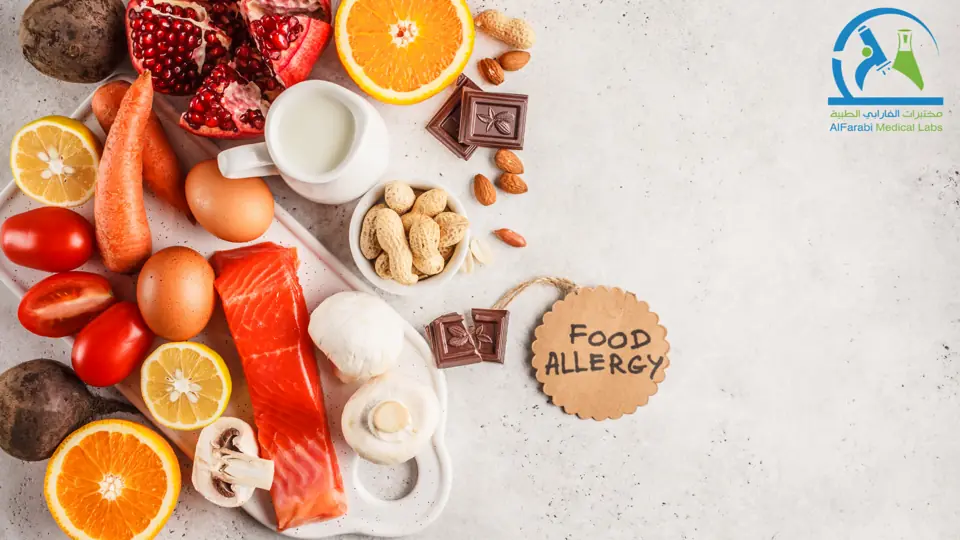
Some foods are more likely to cause allergies than others. These include milk, eggs, peanuts, tree nuts, fish, shellfish, wheat and soy. It is essential to avoid these foods if you are allergic to any of them.
Causes of food allergies
Genetic and environmental factors
Genetic factors play a major role in food allergies. If one or both parents have a food allergy, the chance of passing it on to their children is high. Environmental factors, such as early exposure to allergenic foods and environmental pollution, can also increase the risk of developing a food allergy.
An overly sensitive immune system
In some cases, the immune system is overly sensitive and reacts abnormally to foods. This may result from multiple factors, including genetic and environmental factors.
Symptoms of food allergies
Common food allergy symptoms:
- Skin rash: redness or swelling of the skin, with itching.
- Digestive problems: abdominal pain, diarrhea, nausea or vomiting.
- Swelling: of the lips, face, tongue or throat.
- Difficulty breathing: due to swelling of the throat or airways.
- Anaphylactic shock (anaphylaxis): a medical emergency requiring immediate treatment, involving low blood pressure, severe difficulty breathing and loss of consciousness.
Severe symptoms
In severe cases, a food allergy can cause anaphylaxis, a dangerous, life-threatening reaction. Symptoms include difficulty breathing, low blood pressure, loss of consciousness and dizziness. Anaphylaxis requires immediate emergency treatment.
How food allergies are diagnosed
Examinations and laboratory tests
Doctors perform examinations and laboratory tests to confirm a food allergy. These include skin and blood tests that help identify allergies to particular foods.
Monitoring the diet
Patients may be asked to monitor their diet and record the foods they eat and the symptoms they experience. This helps doctors identify the foods causing an allergy more accurately.
How to manage food allergies
Avoiding allergenic foods
The most important step in managing a food allergy is avoiding the foods that trigger it. Food labels should be read carefully to check for any ingredients that cause an allergy.
Using medication
Certain medications may be prescribed to relieve symptoms or treat severe reactions. These include antihistamines and epinephrine.
Education and awareness
People with food allergies and their families need to understand how to manage the condition. This may include learning to read food labels, avoid triggering foods and respond in emergencies.
Preventing food allergies
Breastfeeding
Studies suggest that breastfeeding can help prevent food allergies in children. Breast milk contains substances that help strengthen the immune system and reduce allergy risk.
Introducing foods gradually
Introducing new foods to children gradually may help reduce the risk of developing a food allergy. Foods should be introduced one at a time, waiting a few days before introducing another new food.
The impact of food allergies on daily life
The impact on children
Food allergies can significantly affect children's lives. They may have to avoid eating at school or social events, which may affect their social and psychological wellbeing.
The impact on adults
Adults with food allergies may face challenges when eating at restaurants or traveling. They may need to carry emergency medication at all times and ensure that they have a plan for unexpected reactions.
Support and assistance
Support groups
Many support groups offer help to people with food allergies. These groups can provide emotional support, information and advice on managing allergies.
Medical assistance
People with food allergies should stay in contact with their doctors and attend regular follow-up appointments for appropriate medical guidance and to ensure the condition is controlled.
Frequently asked questions about food allergies
What are the most common food allergies?
The foods most commonly responsible for allergies include milk, eggs, peanuts, tree nuts, fish, shellfish, wheat and soy.
How can I tell whether I have a food allergy?
If you suspect a food allergy, visit a doctor for the examinations and laboratory tests needed to identify the foods causing your allergy.
Diagnosing food allergies
Food allergies are diagnosed through a range of examinations and tests, including:
- Skin tests: a small amount of the suspected allergen is placed on the skin and the reaction is observed.
- Blood tests: these measure the amount of antibodies the body produces against the allergenic protein.
- Oral food challenge: the patient is given small amounts of the suspected food under medical supervision, and reactions are monitored.
Can a food allergy be cured?
There is no definitive cure for food allergies, but symptoms can be controlled by avoiding triggering foods and using medication when needed.
Can food allergies change over time?
Yes, food allergies can change over time. An allergy may become stronger or weaker, and new symptoms may appear. Regular follow-up with a doctor is essential.
Can children outgrow food allergies?
Yes, some children can outgrow food allergies over time, especially allergies to foods such as milk and eggs. However, some allergies may remain throughout life.
In conclusion, awareness of food allergies and how to manage them is essential to maintaining health and preventing health risks. With considerable care and attention, people with food allergies can live safely and healthily with their condition.
Finally, are food allergy tests available at AlFarabi Medical Labs?
Yes, AlFarabi Medical Labs offers food allergy testing to the highest standards of quality and accuracy. These tests are essential for people experiencing unexplained allergy symptoms, such as skin rashes, itching, bloating or digestive problems.
If you have any unexplained allergic symptoms and want to identify their cause, visit AlFarabi Medical Labs for food allergy testing and the necessary expert consultations.
Food allergy tests at AlFarabi Medical Labs aim to identify the body's response to a variety of foods that may cause an allergic reaction. This package includes many potential food triggers, including:
- Egg white
- Egg yolk
- Cow's milk
- Chocolate
- Wheat flour
- Soybeans
- Yeast
- Mixed nuts (pistachios, almonds and walnuts)
- Peanuts
- Oranges
- Strawberries
- Bananas
- Mangoes
- Tomatoes
- Carrots
- Onions
- Chicken
- Lamb
- Cured fish
- Shrimp
- Celery
- Mustard
- Garlic
- Apples
- Peaches
- Kiwifruit
- Pineapple
- Salmon
- Tuna
- Beef
- Barley
- Oats
- Corn
- Rice
- Sesame
- Green beans
- Potatoes
- Ginger
- Walnuts
- Hazelnuts
- Almonds
- Cashews
These tests allow doctors to identify the foods that people with allergies should avoid, helping prevent serious allergic reactions and maintain their health.
A test result is not a diagnosis. Show it to your doctor.