The Thyroid Gland: A Complete Guide to Health and Vitality
The Thyroid Gland: A Complete Guide to Health and Vitality
What Is the Thyroid Gland?
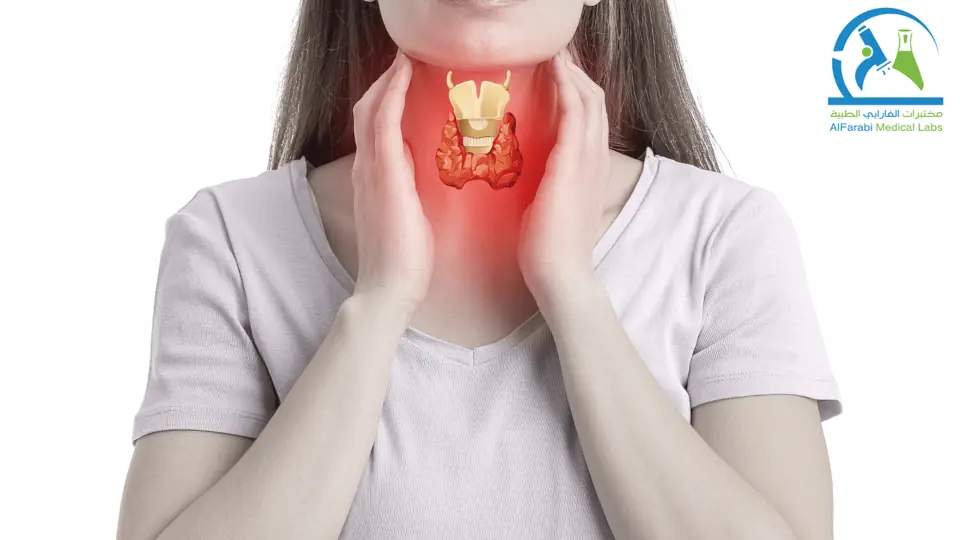
The thyroid, a small butterfly-shaped gland at the base of the neck, is one of the body’s most important glands. It plays a vital role in regulating different functions by producing hormones that affect everything from metabolism to mental health. If you want to understand more about the thyroid and its importance, you are in the right place. This article explains its functions, related diseases and the best ways to care for its health.
Thyroid functions
The thyroid produces hormones such as thyroxine (T4) and triiodothyronine (T3), which play an essential role in regulating the body’s metabolism. These hormones help regulate the rate of energy use, body temperature and heart rate. Put simply, when the thyroid works properly, the body can carry out its vital functions efficiently.
Thyroid structure
The thyroid consists of two side lobes connected by a small bridge called the isthmus. It lies in front of the trachea and below the larynx. Thyroid tissue consists of specialized follicular cells, which produce thyroid hormones, and C cells, which produce calcitonin.
Thyroid Diseases
Hypothyroidism
Hypothyroidism occurs when the thyroid does not produce enough hormones. Symptoms include tiredness, weight gain and depression. Common causes include autoimmune diseases such as Hashimoto’s thyroiditis, iodine deficiency and certain medications.
Causes of hypothyroidism
- Autoimmune diseases: Such as Hashimoto’s thyroiditis.
- Iodine deficiency: Iodine is essential for thyroid hormone production.
- Certain medications: Some medications can affect thyroid hormone production.
Treating hypothyroidism
The main treatment is synthetic thyroid hormone to replace the deficiency. The dose depends on blood hormone levels and is adjusted based on regular tests.
Hyperthyroidism
Hyperthyroidism occurs when the thyroid produces excessive amounts of hormones. Symptoms include rapid weight loss, excessive sweating and a rapid heartbeat. Common causes include Graves’ disease, thyroid inflammation and a high iodine intake.
Causes of hyperthyroidism
- Graves’ disease: An autoimmune disorder that causes excess hormone production.
- Thyroid inflammation: This can cause excessive hormone release.
- A high iodine intake: Excess iodine can stimulate hormone production.
Treating hyperthyroidism
Treatment depends on the severity of the condition and may include antithyroid medications, radioactive iodine treatment or surgery to remove part of the thyroid.
Nutrition and the Thyroid
The importance of iodine
Iodine is essential for thyroid hormone production. A deficiency can cause thyroid enlargement and reduced function. Iodine is found in seafood, dairy products and iodized salt.
The role of selenium and zinc
Selenium and zinc are important minerals for thyroid health. Selenium helps convert T4 to T3, while zinc supports immune function and helps regulate hormone production.
Foods that support thyroid health
- Oily fish: Such as salmon and tuna, because they contain iodine and omega-3 fatty acids.
- Nuts and seeds: Such as Brazil nuts and pumpkin seeds, because they contain selenium and zinc.
- Leafy vegetables: Such as spinach and turnip greens, because they contain essential vitamins and minerals.
How the Thyroid Affects Weight
How the thyroid affects metabolism
The thyroid plays a major role in regulating metabolism. When thyroid function is disrupted, rapid weight gain or loss can occur. Hypothyroidism slows metabolism, causing weight gain. Hyperthyroidism increases metabolism, causing weight loss.
Tips for maintaining a healthy weight
- Eat balanced meals: Make sure you get enough protein, carbohydrates and healthy fats.
- Exercise regularly: Physical activity helps improve metabolism.
- Monitor thyroid function: Have regular tests to check that the thyroid is working properly.
The Psychological Effects of Thyroid Disease
Depression and anxiety
Thyroid disease can significantly affect mental health. Hypothyroidism can cause depression and mental slowing, while hyperthyroidism can lead to anxiety and nervousness.
Managing the psychological effects
- Medical consultation: Discuss psychological symptoms with your doctor and receive appropriate treatment.
- Emotional support: Do not hesitate to seek support from friends and family or join support groups.
- Psychotherapy: Cognitive behavioral therapy can help with anxiety and depression.
Conclusion
The thyroid plays a vital role in health. Understanding its functions and how to care for it is essential for maintaining good health. Eating foods rich in iodine and selenium, exercising regularly and monitoring thyroid function can help prevent related diseases. If you experience symptoms suggesting a thyroid disorder, consult your doctor for an appropriate diagnosis and treatment.
Frequently Asked Questions
- What are the common symptoms of hypothyroidism? Tiredness, weight gain and depression are some common symptoms.
- Which foods support thyroid health? Oily fish, nuts and seeds, and leafy vegetables are beneficial foods for thyroid health.
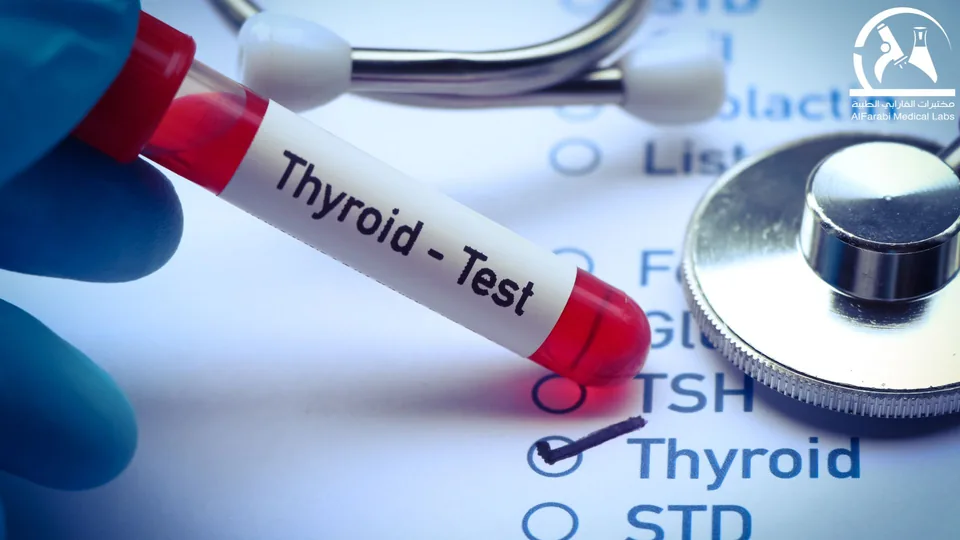
- How are thyroid disorders diagnosed? Thyroid disorders can be diagnosed with blood tests that measure thyroid hormone levels.
- Can thyroid disease affect mental health? Yes. Thyroid disease can affect mental health, causing depression or anxiety.
- How is hyperthyroidism treated? Antithyroid medications, radioactive iodine treatment and surgery are among the treatment options.
A test result is not a diagnosis. Show it to your doctor.