
Influenza: What It Is, Prevention and Treatment
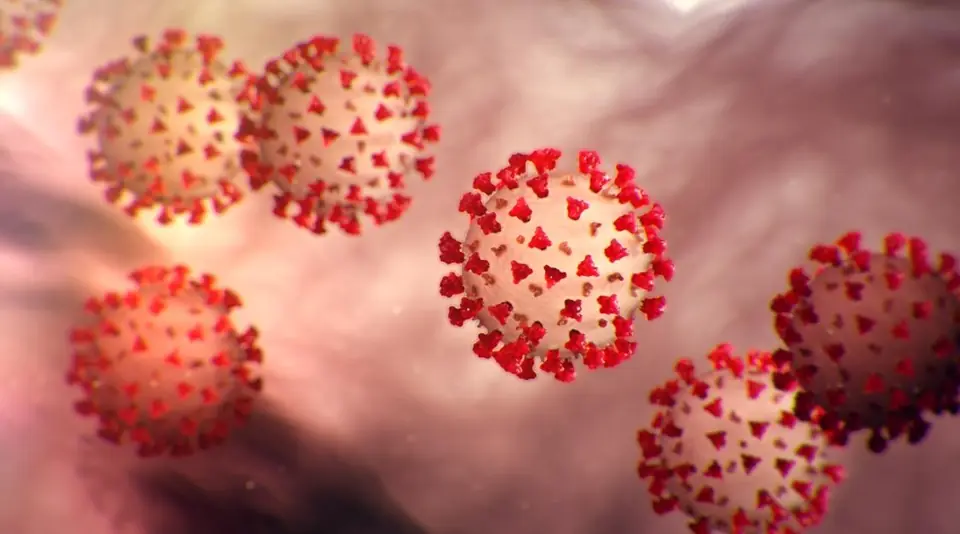
What is influenza?
Influenza is a viral infection that affects the respiratory system and causes symptoms ranging from mild to severe.
The incubation period of the influenza virus:
The incubation period of influenza ranges from two to four days.
How is the infection transmitted?
Influenza spreads through droplets released by an infected person when sneezing or coughing, or through contact with contaminated surfaces.
Influenza symptoms:
Common symptoms include fever, cough, a runny nose, muscle aches and fatigue.
The difference between a cold and seasonal influenza:
Influenza is often more severe and causes more general symptoms than a common cold.
How can influenza be diagnosed?
Diagnosis is based on symptoms, and laboratory tests can be performed to confirm it.
Complications of seasonal influenza:
Common complications include lung infections and breathing problems. These can be serious in vulnerable age groups.
Influenza treatment:
Treatment includes rest, fluids and medications that help relieve symptoms.
When can influenza be serious?
Influenza can be serious in young children, older adults and people with chronic diseases.
How can you recover from influenza quickly and limit its spread?
Measures include avoiding direct contact, covering the mouth and nose when sneezing or coughing, and washing hands regularly.
Should antibiotics be used to treat influenza?
No. Antibiotics are not effective against the viruses that cause influenza.
Is the influenza vaccine effective in prevention?
Yes. The influenza vaccine is an effective way to prevent influenza and reduce symptom severity.
What is the difference between influenza and COVID-19?
Although the symptoms are similar, the viruses that cause the two illnesses are different, and their treatments differ.
A test result is not a diagnosis. Show it to your doctor.