How to Prevent Infection during Hajj
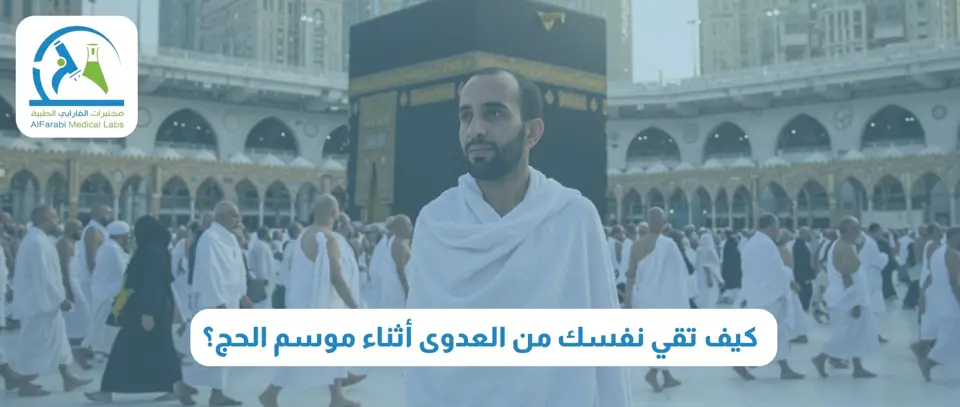
How to Prevent Infection during Hajj
✅ Article Outline
- Introduction: Why does infection risk rise?
- Common infections.
- Transmission between pilgrims.
- Higher-risk groups.
- Immunizations before Hajj.
- Meningitis vaccine.
- Seasonal influenza vaccine.
- Coronavirus vaccine and precautions.
- Distancing and preventive measures.
- Personal hygiene.
- Handwashing timing and technique.
- Masks: when and why?
- No shared personal items.
- Safe drinking water.
- Healthy foods and immunity.
- Adequate sleep.
- Managing infection symptoms.
- When see a doctor?
- Post-Hajj medical screening.
- Conclusion: Simple protection for everyone.
Introduction: Why does infection risk rise?
Hajj brings millions from around the world together briefly in one place, creating conditions for infectious disease transmission. Heat, crowds, and exertion increase vulnerability. Prevention is essential to safe, healthy rituals.
Common infections
These include:
- Respiratory infections: Colds, influenza, sore throat, COVID-19.
- Intestinal infections: Food poisoning and diarrhea from germs or contaminated water.
- Skin infections: Fungi from sweating or friction.
- Viral infections: Such as meningitis or dengue fever.
- Urinary infections: From insufficient water or personal hygiene.
How infection spreads
Main routes:
- Respiratory droplets from sneezing or coughing.
- Direct contact with infected people or contaminated surfaces.
- Contaminated food or water.
- Shared personal items.
- Crowded, poorly ventilated spaces.
Higher-risk groups
More vulnerable to complications:
- Older adults.
- People with diabetes, heart disease, or other chronic conditions.
- Immunocompromised patients.
- Children.
- Pregnant women.
Extra precautions are needed before, during, and after Hajj.
Immunizations before Hajj
Vaccines are fundamental. Most countries' health authorities require essential vaccines before permits.
Meningitis vaccine
Mandatory for all pilgrims, protecting against a potentially fatal respiratory-transmitted infection affecting the brain. Give at least 10 days before Hajj.
Seasonal influenza vaccine
Strongly recommended even where optional, especially for older adults and chronic disease patients. Prevents infection or reduces severity.
Coronavirus vaccine and continuing precautions
With continuing COVID-19 cases, vaccination remains important. A booster is recommended if time has passed since the last dose. Masks and avoiding contact still matter in crowds.
Distancing and preventive measures
Though full distancing is difficult, reducing contact, following organized routes and health authority guidance, and avoiding excessive crowds greatly reduce risk.
Personal hygiene
The first defense includes:
- Regular bathing.
- Frequent underwear changes.
- Handwashing before food and after the bathroom.
- Sanitizer without soap and water.
Handwashing timing and technique
Wash thoroughly:
- Before eating.
- After the bathroom.
- After coughs or sneezes.
- After public surfaces.
Use running water and soap for at least 20 seconds.
Masks: When and why?
Reduce droplets and infection. Preferably wear:
- In crowds.
- In enclosed tents.
- During tawaf and sa'i.
- With respiratory symptoms.
No shared personal items
Towels, toothbrushes, and bottles easily spread infection. Use personal items only and keep them in a clean, closed bag.
Safe drinking water
Too little water causes dehydration; contaminated water causes intestinal infection. Check containers or use sealed mineral water.
Healthy foods and immunity
Vegetables, fruit, protein, and zinc-rich meals strengthen immunity. Fresh, hot meals are preferable to canned or cold food.
Adequate sleep
Poor sleep weakens immunity. Sleep sufficiently each night and avoid excessive late nights.
Managing symptoms
With fever, cough, diarrhea, or rash:
- Distance from others.
- Wear a mask.
- Drink plenty.
- See the mission doctor immediately.
- Use prescribed medicines, avoiding unknown herbal remedies.
When see a doctor?
- Temperature above 38.5°C.
- Diarrhea beyond two days.
- Severe respiratory symptoms.
- Severe chest or abdominal pain.
- Fainting or severe dizziness.
Early intervention prevents deterioration and serious complications.
Post-Hajj medical screening
A comprehensive check is recommended after return, especially for unusual persistent cough or fatigue. Some diseases appear days or weeks later.
Conclusion: Simple protection for everyone
Simple health instructions make prevention easy. Vaccines, hygiene, and distancing each protect you and others. Let awareness support a safe and accepted Hajj, God willing.
A test result is not a diagnosis. Show it to your doctor.