
Irritable Bowel Syndrome: Causes, Symptoms, and Comprehensive Treatment
Introduction
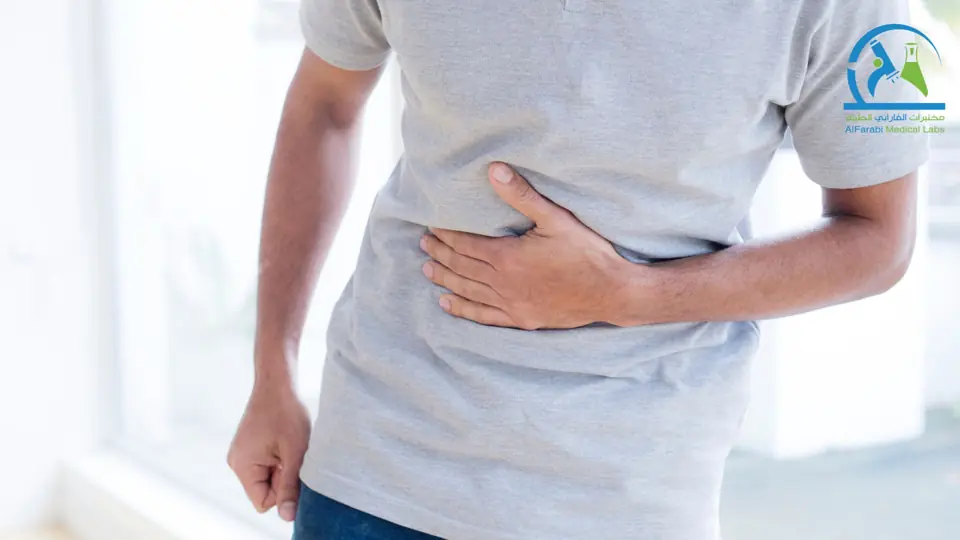
Irritable bowel syndrome is a chronic disorder affecting the large intestine and causing various gastrointestinal symptoms that can sometimes be troublesome and embarrassing. This disorder, also known as IBS, can significantly affect a patient's quality of life. Symptoms range from abdominal pain and bloating to changes in bowel habits, such as diarrhea or constipation. Although IBS is not considered a serious condition causing bowel damage or increasing colon cancer risk, managing it can be a daily challenge.
This article covers everything you need to know about IBS, from possible causes and common symptoms to available treatments. It provides comprehensive, detailed information to improve understanding and possible solutions for effective management.
What Is Irritable Bowel Syndrome?
Definition of IBS
IBS is a functional disorder of the large intestine, causing irritation and gastrointestinal symptoms without an obvious organic cause. Also called irritable bowel syndrome (IBS), it affects approximately 10-15% of people worldwide.
Types of IBS
IBS can be classified into three main types according to predominant symptoms:
- Diarrhea-predominant IBS (IBS-D).
- Constipation-predominant IBS (IBS-C).
- Mixed IBS (IBS-M), alternating between diarrhea and constipation.
Causes of IBS
Genetic factors
Genetic factors play a role in developing IBS. A family history may make you more susceptible.
Psychological factors
Stress, anxiety, and depression may contribute to IBS irritation. Many patients experience worsening symptoms during psychological stress.
Dietary factors
Certain foods may worsen symptoms. Fatty foods, dairy, soft drinks, and caffeine can trigger IBS.
Environmental factors
An intestinal infection at some point in life may increase the risk of IBS. Bacterial or viral infections may leave long-term effects on the bowel.
Symptoms of IBS
Abdominal pain
This is the most common symptom. Patients usually feel lower abdominal pain or discomfort, which may improve after a bowel movement.
Bloating and gas
Bloating and fullness are also common and may be accompanied by excessive gas.
Changes in bowel habits
Frequent diarrhea or constipation may be part of IBS. Some patients alternate between the two.
Incomplete bowel emptying
A persistent feeling that the bowel has not completely emptied after defecation is another common symptom which may cause anxiety and discomfort.
Diagnosing IBS
Medical history and clinical examination
Diagnosis requires a detailed medical history and careful examination to exclude other causes of similar symptoms.
Blood and stool tests
The doctor may request these tests to exclude conditions such as infection or inflammatory diseases.
Imaging examinations
Diagnosis may also require X-rays or magnetic resonance imaging to examine the bowel and check for structural abnormalities.
Treating IBS
Medication
Several medicines can relieve symptoms:
- Antispasmodics: Relieve abdominal pain and cramps.
- Antidepressants: In some cases, help relieve psychological and physical symptoms.
- Bowel-soothing medicines: Relieve bloating and gas.
Dietary changes
Changing diet can significantly relieve symptoms:
- Avoid trigger foods: Such as fatty foods, dairy, and caffeine.
- Increase fiber: Fiber can help regulate bowel movements.
- Drink plenty of water: Helps digest fiber and prevent constipation.
Psychological treatment
Psychotherapy such as cognitive behavioral therapy (CBT) can effectively manage IBS-related stress and anxiety.
Exercise
Regular exercise can improve bowel movement and reduce stress.
Preventing IBS
A healthy lifestyle
Adopting a healthy lifestyle may contribute to prevention:
- Avoid stress: Learn stress management techniques such as meditation and yoga.
- A balanced diet: Eat small, frequent meals and avoid trigger foods.
- Physical activity: Exercise regularly.
Regular screening
Regular examinations can help detect health problems that may affect the colon early.
Avoid smoking and alcohol
Smoking and alcohol can worsen IBS symptoms, so avoiding both is preferable.
Frequently Asked Questions about IBS
Which foods are best avoided with IBS?
Foods to avoid include fatty foods, dairy, caffeine, and soft drinks.
Can IBS become a serious disease?
IBS is not considered dangerous and does not damage the bowel or increase colon cancer risk.
How can IBS abdominal pain be relieved?
Antispasmodics, a healthy diet, and regular exercise can relieve pain.
Can IBS affect daily life?
Yes. Troublesome pain, bloating, and bowel habit changes can affect everyday life.
What psychological symptoms are associated with IBS?
These include stress, anxiety, and depression.
Conclusion
IBS is common and causes various troublesome symptoms. Understanding possible causes and available treatments helps manage it effectively and improve quality of life. A healthy lifestyle, avoiding trigger foods, and managing stress can significantly relieve symptoms.
A test result is not a diagnosis. Show it to your doctor.